Commercial Snow Plowing for Parking Lots and Access Roads
Commercial snow plowing clears parking lots, drive lanes, loading areas and access roads with plow trucks, loaders and sometimes skid steers, so a business can open and customers can reach the door. The work starts when snow reaches the depth written into the contract, which is called the trigger, and finishes with the snow pushed into agreed storage areas.
Describe the job and add your city. Free to request, no obligation.
The contract matters as much as the plow. A trigger of a few centimetres, about an inch or two, is common for retail and medical sites that need to open every day, while a warehouse yard can tolerate a deeper trigger. Freezing rain usually has its own trigger because it needs salt rather than a blade. Without these thresholds in writing, nobody agrees on when a visit is due.
Pricing models vary. Per-event pricing charges each visit, seasonal flat fees spread the cost across the winter, and per-push or hourly rates suit smaller or irregular sites. A snow contractor who serves your area will price the lot after looking at its size, layout and where snow can go.
What the work includes
- Plowing parking stalls, drive aisles, entrances and exits
- Clearing fire lanes, loading docks and building access points
- Pushing and stacking snow in the agreed storage zones
- Working around parked vehicles, light poles, islands and curbs
- Opening the site by a time set in the agreement
- Re-plowing after drifting or residual snowfall if the contract covers it
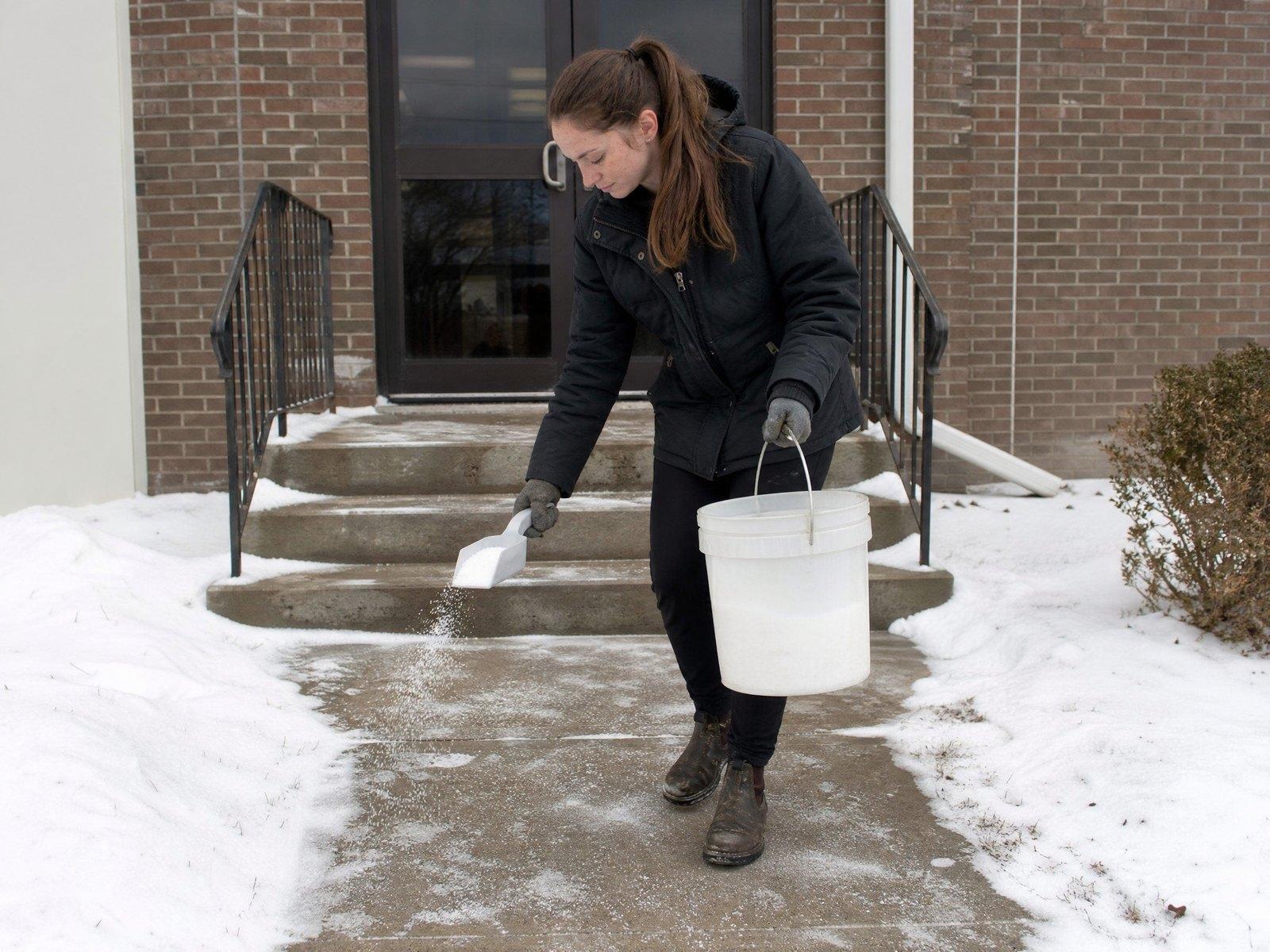
- Salting or sanding as an add-on to the plowing
- A record of visits, with dates and times, for your files
When it is time to line up a plow contractor
A new lease or property purchase that includes responsibility for the lot
Last winter's contractor arrived late or left uncleared corners
A site where snow piles cover stalls, drains or sight lines every January
A lot with mixed users, such as clinics, shops and apartments, that all expect early opening
Tenants or customers who have slipped, or an insurer asking for records
A growing portfolio where each site has a different contractor and a different bill
How the work goes, step by step
Send the site details
Give the address, lot size, surfaces to clear, tenants and any site plan. Mention past problems such as flooding or late service.
Site walk
A specialist who serves your area looks at layout, storage areas, drains and hazards.
Contract terms set
Trigger depths, opening times, areas covered and storage zones are agreed.
Written quote
Price model, per-visit or seasonal amounts, and what is extra are laid out.
Season service and review
Visits follow the triggers, and the record is reviewed with you during and after winter.
What changes the price
- Size and layout of the lot
- Open lots plow quickly, while lots with many islands and tight corners take longer.
- Trigger depth
- A low trigger means more visits in a season and a higher total than a deeper one.
- Pricing model
- Per-event, flat seasonal and hourly prices shift cost risk between you and the contractor.
- Snow storage space
- If there is nowhere to stack snow, piles grow, and hauling may be needed.
- Required opening time
- A site that must be open at 6 a.m. needs dispatch overnight, which costs more.
- Obstacles and access
- Parked cars, tight entrances and shared drives slow the equipment.
What a good quote spells out
- Trigger depth for plowing and the separate trigger for freezing rain
- The areas covered: lot, entrances, fire lanes, loading docks and sidewalks
- Whether the price is per event, seasonal flat or hourly, and what happens in a heavy winter
- Where the snow will be stacked and what happens when storage is full
- Proof of liability insurance, which you can ask any contractor to provide before the season starts
Commercial Snow Plowing: questions people ask
What snow depth triggers a commercial plow visit?
It is whatever the contract says. A low trigger of a few centimetres, roughly an inch or two, is common for retail and medical sites. A deeper trigger suits low-use industrial yards. Freezing rain is often a separate trigger.
Is a seasonal flat fee or per-event pricing better?
A flat fee gives a predictable budget, but you may pay for visits that never happen in a mild winter. Per-event pricing follows the weather, which means a lower bill in a light season and a higher one after heavy snow.
Who is liable if someone slips on a commercial lot?
The property owner or manager usually carries responsibility, and a contractor's records can help show what was done and when. Check your lease and insurance, and keep service records for each storm.
What happens when there is nowhere left to put the snow?
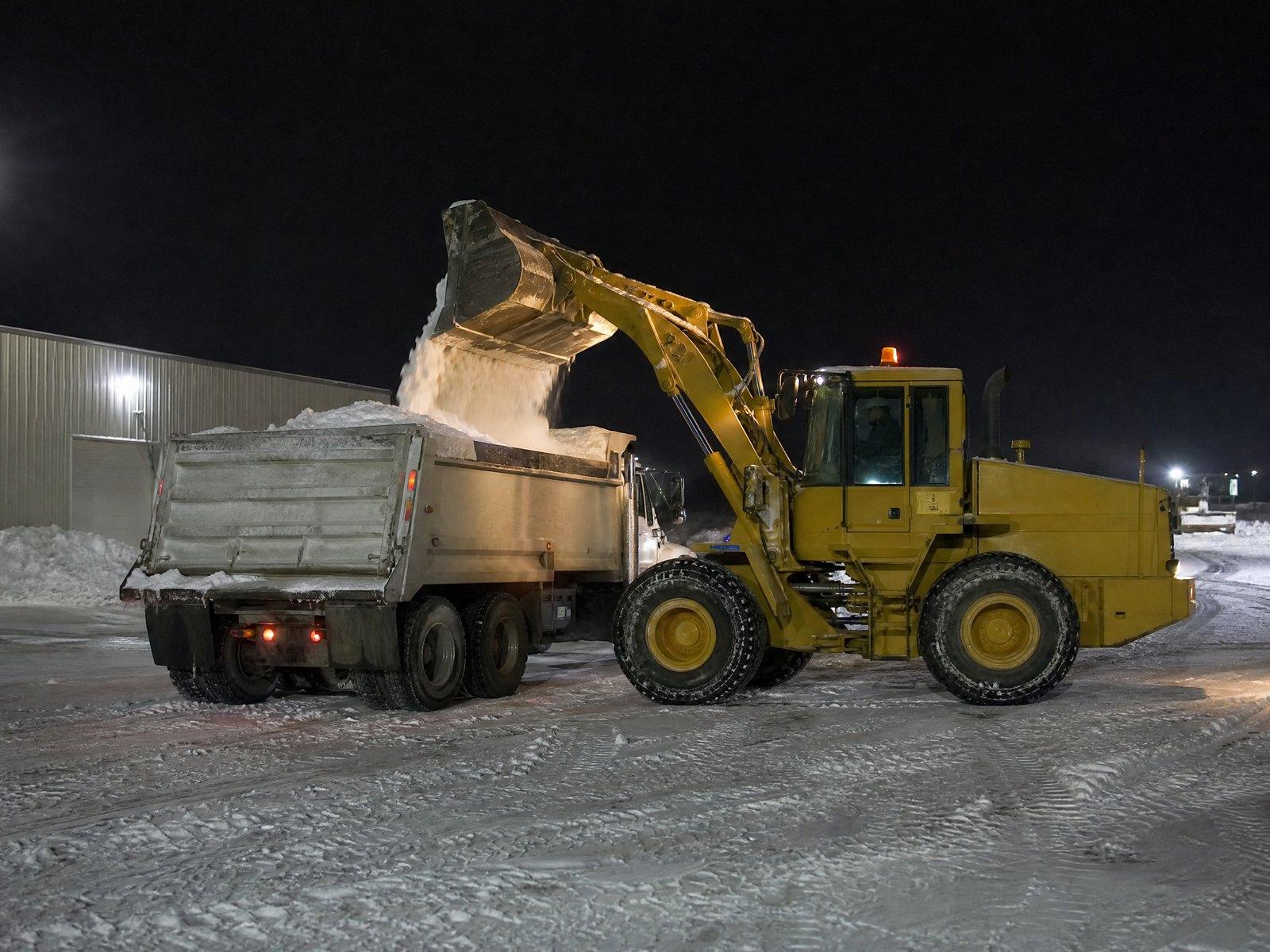
Piles take over stalls and block sight lines. The fix is hauling snow off site with loaders and trucks, usually billed per load or per hour, so it is worth asking in advance how that will be handled.
Other Terranova services
Ready to Plan Snow Coverage for Next Winter?
Tell us about your property or portfolio, wherever it is in Canada or the United States. We review every request, and a specialist who serves your area follows up with next steps.
Request a free quote →